For 11 years, I sat in the press gallery at the Georgia State Capitol, watching health policy shift from abstract committee debates into the stark reality of patient lives. When Governor Brian Kemp signed Senate Bill 220 (SB 220) into law, it wasn’t just a flourish of a pen; it was a pivot in how our state treats the concept of medical cannabis. If you are a patient or a caregiver, you have likely heard a dozen versions of what this bill “means.” Most of them are wrong.
As a reporter who has combed through the LegiScan bill pages and the fine print of the Georgia Department of Public Health (DPH) registry requirements, I’m here to strip away the guesswork. We are going to look at the math, the policy, and why the Governor was so specific in his georgia medical cannabis card benefits rhetoric regarding “not recreational use.”
The Governor’s Rhetoric: Why "Not Recreational" Matters
When Governor Kemp signed SB 220, his messaging was surgically precise. He framed the bill as a compassionate response to the opioid epidemic, not a backdoor to legalized recreational marijuana. This is a distinction that defines the entire regulatory framework of the Georgia Access to Medical Cannabis Commission.
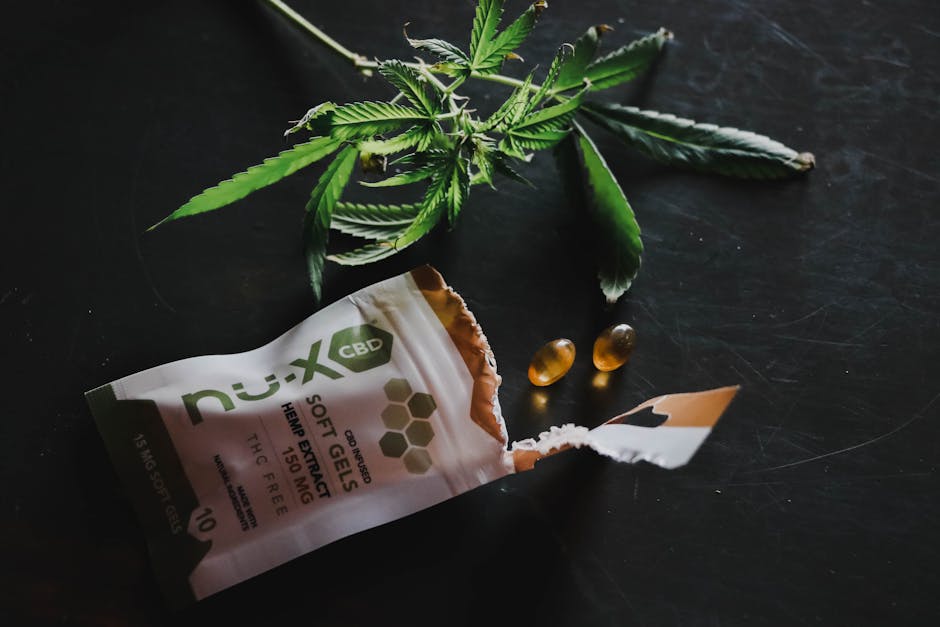
Kemp’s signing statement—and the subsequent enforcement actions—make it clear: the state views this product as a strictly pharmaceutical-grade alternative to addictive painkillers. If you walk into a conversation about Georgia’s medical cannabis laws assuming it’s the same as the "dispensary weed" culture in states like Colorado or California, you are going to find yourself in legal trouble. The Georgia framework is built on Click for more info clinical registration and specific patient qualifying conditions.
The Governor’s focus on the opioid comparison was intentional. By positioning medical cannabis as a tool to mitigate pain without the high abuse profile of synthetic opioids, he built the political bridge necessary to pass the legislation. If you are a patient, understand that this legal defense rests entirely on your adherence to the medical framework, not a recreational one.
From "Low THC Oil" to Medical Cannabis: The Framework Shift
One of the most important aspects of SB 220 was shifting the nomenclature. We moved from the restrictive, singular focus of "Low THC Oil" to a broader, albeit still tightly regulated, "Medical Cannabis" framework. This isn't just semantics; it changes how the state authorizes the manufacturing and dispensing process.
Under the previous regime, we were trapped in a cycle of limited access and legal ambiguity. SB 220 helped move the needle by authorizing the creation of a more robust supply chain. However, I have triple-checked the statute: The law still requires that all medical cannabis produced in Georgia must contain no more than 5% THC by weight.
I have seen far too many patients get caught up in confusion about "percentage potency." Let’s clarify this once and for all: The 5% cap refers to the concentration of THC relative to the total weight of the oil or product. It is not an invitation to treat this like flower products you might find in other states.
The Math: Understanding Possession Limits
This is where I see the most dangerous errors in public discourse. People confuse potency with possession limits. As of the latest regulatory guidance, the possession limit for a registered patient is set at 20 fluid ounces of low THC oil.
Here is the breakdown of why the math matters:
Metric Legal Limit/Threshold THC Concentration (by weight) Maximum 5% Possession Limit (Liquid) 20 fluid ounces Registry Enrollment Mandatory for legal possessionWhen measuring compliance, regulators look at the total milligrams of THC allowed within your possession. If your product is labeled as 5% THC by weight, the state uses that to ensure you are not hoarding massive, unauthorized quantities of high-potency substances. Always double-check your labeling. If you are caught with a product that exceeds the 5% threshold, your "medical" defense evaporates instantly, regardless of your registration card.
Expanded Qualifying Conditions: Who Qualifies Now?
SB 220 helped formalize the inclusion of several conditions that were previously grey areas. As a patient advocate, I always tell people: check the official Georgia DPH Low THC Oil Registry page before you go to your doctor. The list is not infinite.
The addition of Intractable Pain and Lupus to the qualifying conditions was a major win for patients who had been left behind. However, "intractable pain" is not a catch-all term. You must have a physician certify that the pain is unresponsive to traditional treatments and meets the specific criteria outlined in the bill.
Other conditions often included or expanded upon via SB 220 and subsequent updates include:
- Cancer (if the severity is specified) Amyotrophic Lateral Sclerosis (ALS) Seizure disorders Multiple Sclerosis Crohn’s Disease Sickle Cell Disease
If your condition is not explicitly listed, you are not legally protected. Do not rely on hearsay or advice from non-medical personnel.
"What People Miss" Section
In my 11 years covering the Capitol, I’ve noticed a pattern. People focus on the "legalization" headlines and miss the practical hurdles. Here is what people consistently get wrong about Georgia’s medical cannabis landscape:
- Reciprocity is nonexistent: People often assume their medical card from another state works in Georgia. It does not. Georgia has zero reciprocity. If you bring product across state lines, you are committing a felony, regardless of whether you have a medical card in another jurisdiction. Federal vs. State:** Even though the state has authorized this program, it remains a Schedule I controlled substance at the federal level. This means you have no protection if you are on federal property (military bases, national parks, federal courthouses) within Georgia. Employment Law:** SB 220 did not change Georgia’s at-will employment laws. Having a registry card does not protect you from being fired for a positive drug test if your employer has a zero-tolerance policy. This is the single biggest "miss" for patients who assume their status is protected in the workplace. Labeling compliance: If the packaging does not clearly state the milligram content and the 5% THC limit, it may not be legal for retail sale under the current Commission rules. Never purchase from an unlicensed source.
Checklist: Your Path to Legal Compliance
If you are a patient or a caregiver, take a screenshot of this checklist. Keep your documentation organized. In the eyes of the law, if you don't have the paperwork, you don't have the protection.
Consult Your Physician: Ensure your condition is one of the qualifying conditions recognized by the Georgia DPH. Registry Enrollment: Register via the DPH portal. Your card is your only legal shield. Verify the Source: Only purchase from licensed dispensing locations approved by the Georgia Access to Medical Cannabis Commission. Check the Labeling: Does the package confirm the THC content is 5% or less? If it’s unlabeled, it’s a liability. Manage Inventory: Do not exceed the 20 fluid ounce limit. Keep your receipt and your card with the product at all times when transporting. Keep it Private: Remember, the law is for medical use. Using it in public remains a significant legal risk.The transition to a medical cannabis framework in Georgia is a slow, methodical process. While it is frustrating for patients who need immediate, affordable relief, it is designed to operate within the strict boundaries Kemp and the legislature established. Do not treat these limits as suggestions. Treat them as the parameters of your legal protection.
Disclaimer: I am a patient-rights educator and former reporter. This is not legal advice. For specific questions regarding your medical status, consult your physician or an attorney specializing in Georgia health law. Always refer to the official Georgia DPH Low THC Oil Registry page for the most up-to-date qualifying conditions and regulations.